


-

Add: HeBei ShengShi HongBang Cellulose Technology CO.,LTD.
-

Email
13180486930@163.com -

CONTACT US
+86 13180486930
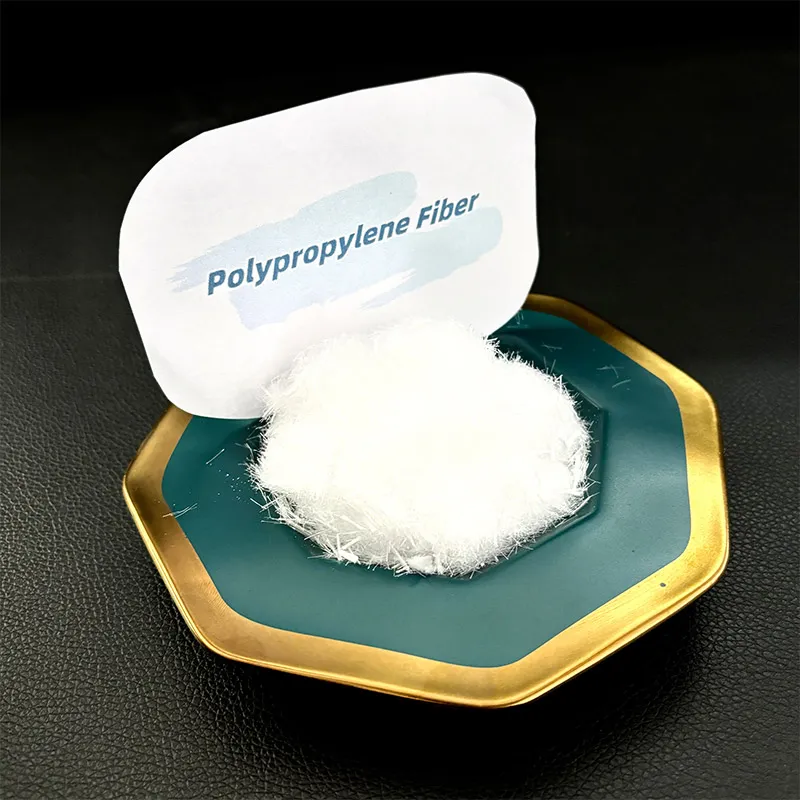

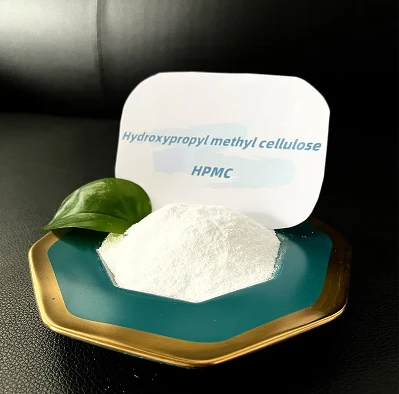
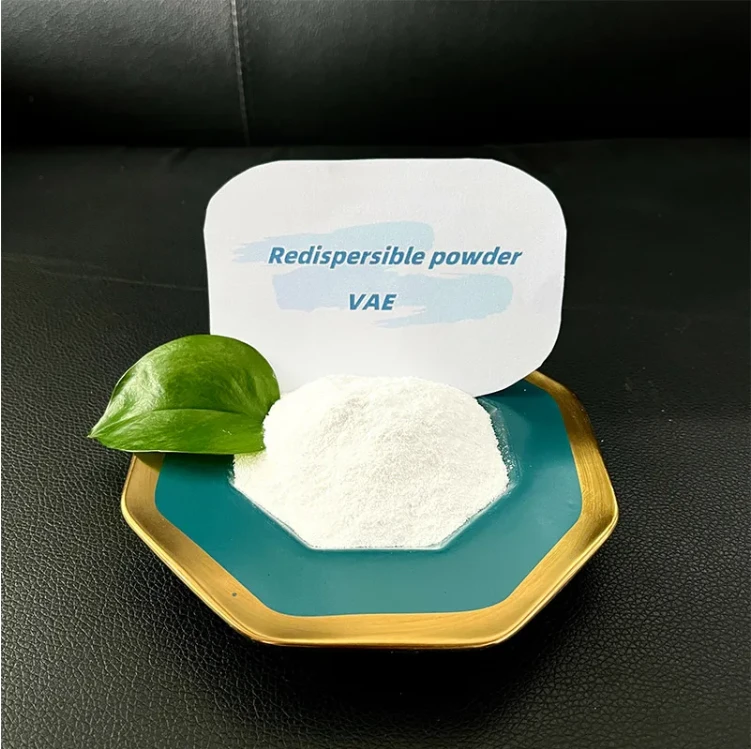


HPMC K 100 M, short for Hydroxypropyl Methylcellulose, is a versatile polymer widely used across industries like pharmaceuticals, construction, personal care, and food. From a professional lens, it’s imperative to understand the multi-faceted applications and the experience of its effectiveness in diverse sectors. As a high-viscosity grade of HPMC, K 100 M is particularly recognized for its unique properties, providing thickening, emulsifying, and film-forming capabilities that outperform many traditional ingredients. In the pharmaceutical industry, HPMC K 100 M is a cornerstone . This polymer is predominantly used as a binder and hydrophilic matrix material in tablets. Its exceptional gel-forming ability upon contact with water aids in controlling the release of drugs, making it an indispensable component in the formulation of sustained-release tablets. Experts have noted that its consistent performance significantly improves patient compliance and therapeutic efficacy, as drug release can be meticulously controlled over extended periods. HPMC K 100 M excels in the field of construction, offering enhanced water retention and workability in building materials. Its application in cement, plaster, and tile adhesives ensures that workability is greatly improved, and setting times are optimized, which is crucial for large-scale construction projects. As experienced contractors and engineers suggest, using HPMC ensures consistency and performance stability, leading to reduced material costs and improved structural integrity. The polymer’s ability to enhance sag resistance and facilitate easier application further underscores its indispensability in modern construction practices. hpmc k 100 m In personal care products, HPMC K 100 M is lauded for its non-toxic, biodegradable nature, enhancing both safety and compliance with stringent regulatory standards. This cellulose ether is utilized as a thickener and binder in skincare and haircare products. Beauty industry experts highly regard its film-forming properties that provide a smooth, evenly distributed application for lotions and creams, enhancing the skin's feel and protecting it from irritants. Innovators in personal care formulations emphasize its hypoallergenic nature, which is a crucial factor in products designed for sensitive skin types. Moreover, the credibility of HPMC K 100 M in food applications cannot be understated. It's used as an emulsifier, thickener, and stabilizer in various food products, including dairy and bakery items. This polymer enhances texture and mouthfeel while maintaining the structural integrity of products during freezing and thawing processes. Food scientists advocate HPMC K 100 M for its ability to act as a vegetarian alternative to gelatin, expanding the scope of product offerings and catering to a wide demographic seeking plant-based options. In conclusion, the manifold applications of HPMC K 100 M in diverse industries underscore its expertise and authoritative standing among polymers. Those with comprehensive experience using HPMC K 100 M consistently report marked improvements in product quality and process efficiency. Its unmatched versatility, combined with the expertise of professionals across sectors, ensures HPMC K 100 M remains a trusted, authoritative choice. Its reliability as a product ingredient, supported by substantial empirical application and industry accolades, reinforces its trustworthiness in the eyes of manufacturers and consumers alike.
- 40000tons

Production
- 20+years

Experience
- 5000+㎡

Acreage

-
In the dynamic world of industrial applications, the need for reliable and effective thickening agents has never been more pressing. Hydroxypropyl methylcellulose (HPMC) emerges as a superior choice, presenting its unmatched capability to enhance the texture, stability, and performance properties of diverse products. Here's a comprehensive examination, backed by professional insights and user experiences, positioning HPMC as a thickening agent of unparalleled reliability and efficacy. HPMC is synthesized through the chemical modification of cellulose, one of the most abundant natural polymers. This backbone provides HPMC with both biodegradability and biocompatibility, making it a preferred choice over synthetic alternatives. The versatility of HPMC is evident in its widespread application across industries such as pharmaceuticals, food production, personal care, and construction materials. From an expert perspective, HPMC’s ability to act as a thickening, gelling, and stabilizing agent is attributed to its unique molecular structure. The molecule's hydrophilic nature facilitates its interactions with water, allowing it to form viscous solutions even at low concentrations. This characteristic is particularly beneficial in the food industry where consistency and mouthfeel are crucial. For instance, in products like sauces and dressings, HPMC ensures a smooth texture and improves shelf stability, meeting both manufacturer and consumer standards. Practical experiences reinforce HPMC's user-friendly nature and adaptability. For formulators in pharmaceuticals, the precision with which HPMC can be controlled is invaluable. It not only aids in the controlled release of active ingredients in drug formulations but also ensures the stability of active compounds, protecting them from environmental degradation. Moreover, in the realm of personal care, HPMC's non-ionic nature makes it compatible with a wide range of ingredients, including those that are sensitive to pH changes or ionic strength. Personal care products, including lotions, creams, and hair gels, leverage HPMC for its ability to deliver a pleasant texture while maintaining product stability throughout its shelf life. hpmc thickening agent Construction materials heavily rely on HPMC to enhance the workability of products such as cement and plaster. By modifying the viscosity of these materials, HPMC optimizes adhesive properties and water retention, leading to improved application efficiency and durability. This is crucial for both the construction workers who appreciate the improved handling properties and the end-users who benefit from longer-lasting structures. Authoritative studies and industry testimonials have consistently affirmed HPMC’s reliability as a thickening agent . Research indicates that its application can lead to significant cost reductions by minimizing the need for multiple additives. Furthermore, its performance is consistent across different environmental conditions, offering a level of assurance that few other thickeners can match. Trust in HPMC is also cemented by its regulatory approval across major markets. It meets the stringent safety and quality standards laid out by authorities such as the FDA and the EFSA, making it a go-to ingredient for global brands looking to maintain compliance and consumer trust. In conclusion, Hydroxypropyl methylcellulose stands out as a thickening agent combining expert-recommended benefits with real-world performance. Its comprehensive application portfolio, supported by scientific validation and widespread regulatory approval, ensures that it remains a cornerstone in the formulation of high-quality, stable, and efficient products across industries. The decision to incorporate HPMC into product lines is not just a choice of an individual chemical but a strategic step towards sustainable and reliable formulation strategies.
-

Hydroxypropyl methylcellulose (HPMC) is an intriguing compound that has carved its niche in the product world due to its multifaceted applications and properties. As someone deeply experienced in the domain of cellulose derivatives, I can attest to the remarkable benefits and versatility of HPMC, which transcend its basic chemical composition. To begin with, understanding HPMC's chemical structure is crucial for leveraging its full potential. HPMC is a chemically modified cellulose ether, derived from cellulose, one of the most abundant natural polymers. This modification endows it with water solubility and surface activity, making it incredibly useful in industries ranging from pharmaceuticals to construction. In the pharmaceutical domain, HPMC is lauded for its proven efficacy as an excipient. Its role as a film-coating agent helps in the sustained release of active ingredients, thereby enhancing the therapeutic efficacy and patient compliance. I have observed firsthand how pharmaceutical formulations utilizing HPMC achieve consistent drug delivery, which is critical in chronic health conditions where dosage accuracy is paramount. Moreover, HPMC's application in the food industry cannot be overstated. As a food additive, it functions as a thickening, stabilizing, and emulsifying agent, all of which are essential for the texture and shelf life of various products. Its non-toxic and non-allergic properties further underscore its safety, a factor that is heavily scrutinized in food manufacturing. In the construction sector, HPMC stands out as a game-changer. It plays a crucial role in the formulation of construction materials such as tile adhesives, wall putties, and cement renders. Based on my experience in the field, HPMC contributes to improved workability, water retention, and open time of cement-based products. This ensures that construction tasks are executed with higher precision and durability, qualities that professionals continuously seek in materials. hpmc hydroxypropyl methylcellulose From an authoritative standpoint, the global acceptance and regulatory approvals of HPMC speak volumes about its trustworthiness and reliability. The compound complies with numerous international standards, including those set by the US FDA and the European Food Safety Authority (EFSA), reinforcing its credibility in its varied applications. Furthermore, as sustainability becomes increasingly vital, HPMC's inherent biodegradability positions it as a preferable choice over synthetic alternatives. Companies aiming to enhance their environmental footprint find HPMC a suitable ally in reducing the carbon impact traditionally associated with certain manufacturing processes. In my expert opinion, businesses and consumers alike should harness the full potential of HPMC by understanding its diverse applications and the scientific principles governing its functionality. This knowledge empowers informed decision-making, ensuring that HPMC is not only utilized effectively but also ethically, in alignment with global sustainability goals. In conclusion, hydroxypropyl methylcellulose is not merely a product but a transformative material that embodies a blend of innovation , safety, and environmental responsibility. Its strategic use across various sectors continues to shape industries and improve product performance, establishing it as a cornerstone in modern manufacturing and development.
advantages
-

200000 Viscosities
Excellent product
We can produce pure products up to 200,000 viscosities
-

40000 tons
High yield
We don’t stop production all year round, and the annual output can reach 40,000 tons
-

24 hours
Quality service
We provide 24-hours online reception service, welcome to consult at any time
———— Inquiry Form
Schedule A services

-
 hydroxypropyl_methylcellulose_inci
Oct . 25, 2025
Understanding HPMC and Its Melting Point Characteristics Hydroxypropyl Methylcellulose (HPMC) is a v -
 hidroximetilcelulosa
Oct . 25, 2025
Delving into the realm of skincare often feels like navigating a maze, replete with a plethora of in -
 adding_fiber_to_concrete_mix
Oct . 25, 2025
What is HPMC Made From? Hydroxypropyl Methylcellulose (HPMC) is a versatile and widely used polymer


